Wisdom Teeth Removal Oxnard CA: Understanding Your Treatment Options
Wisdom teeth have a way of staying quiet for years, then suddenly demanding attention all at once. One patient may learn about them during a routine X-ray and never feel a thing. Another may wake up with a swollen jaw, pressure behind the molars, and pain that seems to radiate into the ear. That range is exactly why treatment decisions are rarely one-size-fits-all.
For people researching Wisdom Teeth Removal Oxnard CA, the real question is not simply whether wisdom teeth should come out. It is when removal makes sense, what type of procedure is appropriate, what recovery will look like, and how to weigh the risks of acting now against the risks of waiting. Those details matter far more than a generic yes or no.
In practice, wisdom teeth removal is one of the most common oral surgery procedures, but that does not make it trivial. The best treatment plan depends on anatomy, symptoms, age, oral hygiene, imaging findings, and the relationship of the teeth to nearby nerves and sinuses. A good evaluation should feel personal, not routine.
Why wisdom teeth become a problem in the first place
Wisdom teeth, also called third molars, are the last permanent teeth to develop and erupt. Most people have up to four, though some have fewer and some have none at all. They usually emerge in the late teens or early twenties, which is why many people first hear about them around college age.
The challenge is simple. Human jaws often do not have enough room for these final molars to come in cleanly. When there is limited space, wisdom teeth may remain trapped under the gums, push against the second molars, or erupt at an angle. A partially erupted wisdom tooth can create a narrow flap of tissue that traps food and bacteria, making it difficult to clean. That is where trouble often starts.
A patient might say, “It only hurts once in a while, so maybe I can leave it alone.” Sometimes that is true. Sometimes it is not. Intermittent symptoms can signal inflammation around the tooth, pressure from crowding, or repeated irritation from biting on swollen tissue. Pain is only one piece of the picture. X-rays often reveal risks before a person feels anything at all.
Not every wisdom tooth needs to be removed
This point is important because many people assume extraction is automatic. It is not. If a wisdom tooth is fully erupted, positioned correctly, easy to clean, and not damaging surrounding structures, a dentist or oral surgeon may recommend monitoring rather than immediate removal.
That said, healthy-looking wisdom teeth still deserve careful follow-up. A tooth can appear manageable for a while, then develop decay, gum disease, or pressure-related issues over time. Monitoring is only a good option when it is active monitoring, with regular exams and imaging as needed.
The more nuanced question is whether keeping the tooth creates more long-term risk than removing it now. A patient in their late teens with impacted lower wisdom teeth pressing toward the second molars may be advised to remove them before they cause root damage or repeated infections. A patient in their forties with stable, asymptomatic wisdom teeth and no sign of disease may hear a more conservative recommendation. Clinical judgment matters.
What dentists and oral surgeons look for during an evaluation
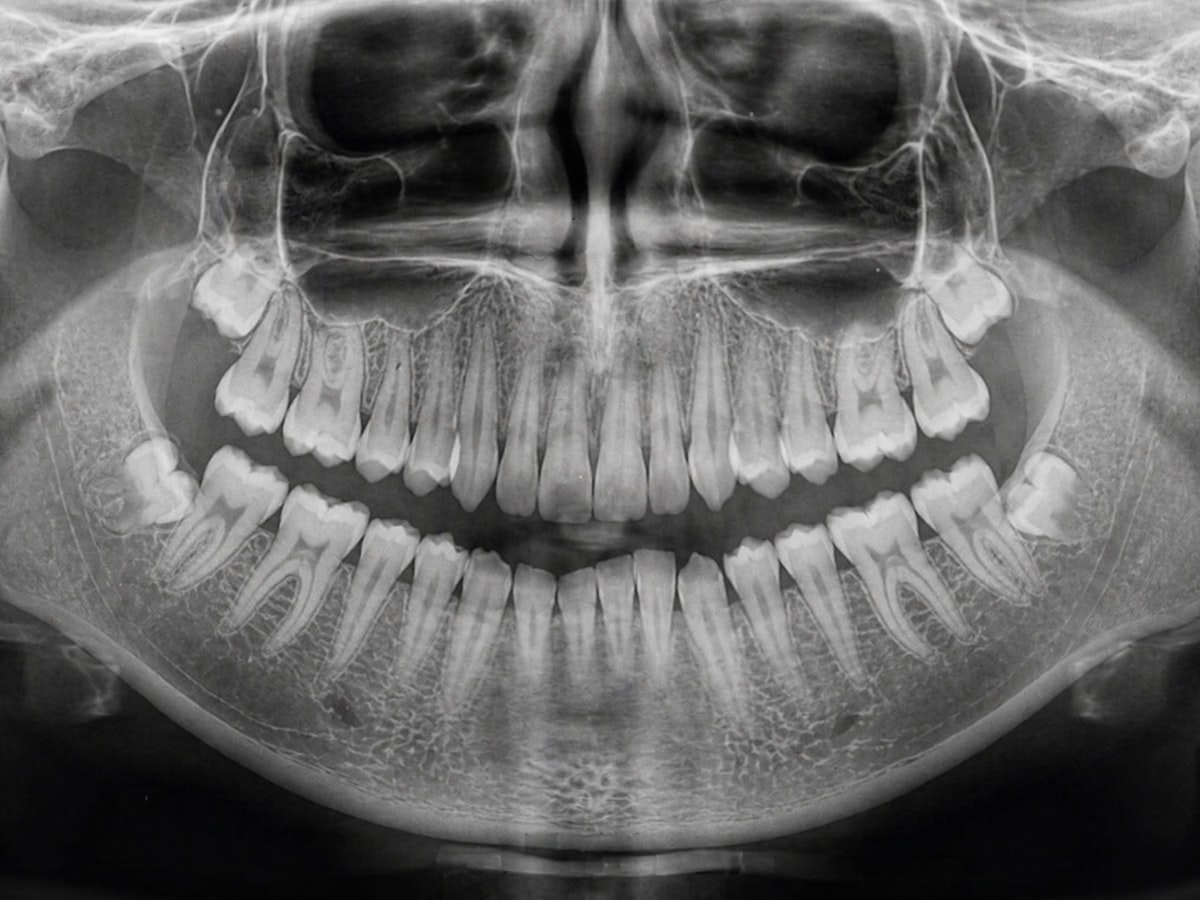
A proper wisdom tooth consultation is usually straightforward, but the details matter. The clinician will examine the mouth, check the gums around the back molars, review symptoms, and study imaging. In many cases, a panoramic X-ray provides a broad view of all four wisdom teeth, the jawbone, and nearby structures. When the roots appear close to the main nerve in the lower jaw or near the sinus floor in the upper jaw, a three-dimensional scan may be recommended.
The evaluation often focuses on a few practical questions:
- Is the tooth fully erupted, partially erupted, or completely impacted?
- Is there enough room for it to function and be cleaned properly?
- Is it causing decay, gum inflammation, cyst formation, or damage to the adjacent molar?
- How close are the roots to the inferior alveolar nerve or the maxillary sinus?
- Is the patient having repeated symptoms, even if they seem minor?
These are not abstract concerns. A partially erupted lower wisdom tooth, for example, is a common setup for pericoronitis, which is inflammation and infection of the gum tissue around the crown. Patients often describe a bad taste, swelling, painful chewing, or difficulty opening the mouth fully. In a busy week, they may try to power through it. But once those flare-ups start repeating, removal often becomes the more sensible long-term choice.
The main treatment options
When people search for Wisdom Teeth Removal Oxnard CA, they are often trying to understand what the actual options are. In broad terms, treatment usually falls into three categories: observation, simple extraction, or surgical extraction.
Observation is appropriate when the wisdom teeth are healthy, stable, and not creating present or foreseeable problems. This approach works best when the teeth are fully erupted and accessible for brushing and flossing, and when imaging does not show hidden complications. It is conservative, but it also carries an obligation. The teeth still need to be watched over time.
A simple extraction is possible when a wisdom tooth has erupted enough to be removed in a manner similar to other teeth. The procedure is usually more straightforward, with less bone removal and often a quicker recovery.
A surgical extraction is used when the tooth is impacted, partially covered by gum tissue, trapped in bone, angled awkwardly, or difficult to access. This is very common, especially with lower wisdom teeth. Surgical removal may involve lifting the gum tissue, removing a small amount of bone, and sectioning the tooth into pieces so it can be taken out with less stress on the jaw.
The word “surgery” can sound intimidating, but in experienced hands this is routine care. The more useful distinction is not simple versus scary. It is simple versus technically involved, which helps shape anesthesia planning, recovery expectations, and cost.
When timing makes a real difference
Timing is one of the most overlooked parts of treatment planning. Younger patients often heal faster, and their wisdom tooth roots may be less fully developed, which can make removal less complicated. Bone tends to be more forgiving in the late teens and early twenties than it is decades later.
That does not mean older adults cannot have wisdom teeth removed successfully. They can, and many do. But the procedure may involve denser bone, more curved roots, slower healing, or higher chances of periodontal problems around neighboring teeth. These are not reasons to panic. They are reasons to avoid unnecessary delay when a clear problem is already visible.
There is also a practical timing issue. A college student may choose a break between semesters. A working parent may schedule surgery before a quiet stretch at work. Someone with repeated swelling may not have the luxury of waiting for the perfect calendar window. A realistic plan should account for both medical need and real life.
Sedation and anesthesia, what patients can expect
Anesthesia options vary depending on the complexity of the case, the number of teeth involved, the patient’s medical history, and anxiety level. Some people do very well with local anesthesia alone, especially for a straightforward extraction. Others prefer nitrous oxide or oral sedation for added relaxation. For more involved surgical cases, IV sedation is commonly used.
There is no universally best choice. The right option is the one that matches the procedure and the patient. An anxious person with four impacted wisdom teeth will usually have a very different experience under IV sedation than under local anesthetic alone. On the other hand, a calm patient with one erupted upper wisdom tooth may not need anything beyond local numbing.
Good preoperative planning should include a clear conversation about medications, fasting instructions if sedation is used, the need for an escort home, and any relevant medical conditions such as sleep apnea, heart issues, diabetes, or a history of difficult anesthesia. These details are not paperwork filler. They affect safety.
Risks, complications, and how they are managed
Every surgical procedure carries risk, and wisdom teeth removal is no exception. Most patients heal uneventfully, but a careful provider should discuss the possible complications honestly.
Common short-term effects include swelling, stiffness, oozing, tenderness, and limited mouth opening for a few days. Dry socket is one of the better-known complications, especially after lower extractions. It happens when the protective blood clot at the extraction site breaks down or dislodges too early, exposing the bone underneath. Patients usually notice increasing pain a few days after surgery rather than steady improvement. It is treatable, but it can be quite uncomfortable.
Infection can occur, though it is not the default outcome many patients fear. Nerve-related issues are less common, but they deserve special attention in lower wisdom tooth cases where the roots sit close to the mandibular nerve. Temporary numbness or altered sensation in the lip, chin, or tongue is possible in some cases. Permanent changes are far less common, but this risk should be reviewed when imaging suggests close proximity.
Upper wisdom teeth bring a different set of anatomical concerns. Their roots may sit near the sinus floor, which can occasionally influence the surgical plan or postoperative instructions.
A skilled clinician does not eliminate all risk. No one can promise that. What experience does provide is better case selection, better imaging decisions, more efficient technique, and better management if healing does not follow the textbook pattern.
Recovery is usually manageable, but it helps to know the rhythm
Most people feel best when they understand the normal recovery arc before surgery, not after they get home. Day one often involves numbness wearing off, some bleeding or oozing, and the start of swelling. Days two and three are commonly the peak for facial swelling and stiffness. By the fourth or fifth day, many patients notice a meaningful turn for the better, though the timeline varies with the difficulty of the extractions and the individual’s healing response.
Pain control has improved over the years, and many cases can be managed with a thoughtful medication plan that may include non-opioid options. Cold packs, rest, hydration, and a soft diet all make a difference. So does following the instructions about rinsing, oral hygiene, and activity.
The people who struggle most are often not those with the hardest surgery. They are the ones who underestimate the first few days and try to resume normal life too quickly. Talking constantly, intense workouts, smoking, drinking through a straw, and skipping meals can all set recovery back.
A few habits make healing noticeably smoother:
- Keep the head elevated when resting during the first day or two.
- Use cold packs early, then transition according to your provider’s instructions.
- Choose soft foods that are filling, not just sweet, such as yogurt, eggs, mashed potatoes, oatmeal, or soup that is not too hot.
- Take medications on schedule instead of waiting for discomfort to build.
- Call the office if pain sharply worsens after initial improvement, or if swelling becomes severe, foul-tasting drainage develops, or fever appears.
Those last points matter. Recovery discomfort is expected. A sudden setback deserves attention.
Cost, insurance, and the questions worth asking
Cost is often part of the decision, and understandably so. Wisdom teeth removal fees can vary based on the number of teeth, whether they are erupted or impacted, the type of imaging needed, the level of sedation, and the experience or specialty of the treating clinician. Oral surgeons frequently handle more complex impacted cases, while some general dentists perform straightforward extractions in-house.
The cheapest quote is not always the best value, especially if it leaves out sedation fees, imaging, pathology if indicated, or follow-up care. On the other hand, the most expensive treatment plan is not automatically the best one either. Patients do well when they ask practical, specific questions.
Ask what is included. Ask whether the estimate covers all four teeth or only the visibly problematic ones. Ask whether sedation is optional or recommended. Ask how the office handles urgent postoperative concerns after hours. These questions often tell you as much about the quality of care as the price itself.
Dental insurance may help with part of the cost when removal is considered medically necessary, but coverage varies widely. A written estimate and pre-treatment review can prevent unpleasant surprises.
Choosing between a general dentist and an oral surgeon
There is no rivalry here, only case selection. Many general dentists are comfortable removing erupted or less complicated wisdom teeth. Oral and maxillofacial surgeons typically manage the more complex end of the spectrum, especially fully impacted teeth, difficult root anatomy, deep sedation, or cases where nerves and sinuses create added risk.
The decision should be based on the tooth, not pride or convenience. If the imaging shows a horizontally impacted lower wisdom tooth wrapped close to the nerve canal, referral to an oral surgeon is often the prudent path. If the tooth is straightforward and the dentist has the appropriate training and experience, treatment in the dental office may be perfectly reasonable.
Patients sometimes worry that a referral means something is wrong. More often, it means the dentist is exercising sound judgment.
What makes local care in Oxnard especially practical
For residents looking into Wisdom Teeth Removal Oxnard CA, convenience is more than a luxury. It affects follow-up, transportation, and recovery. If sedation is part of the plan, you will need someone to drive you home. If swelling, dry socket symptoms, or questions arise, having the treating office nearby makes postoperative care easier to access.
Local treatment also helps when timing is tight. Teenagers on school breaks, agricultural workers with physically demanding schedules, and adults balancing family responsibilities often need a care plan that fits their calendar without requiring a long commute. The best local offices tend to understand that wisdom teeth treatment does not happen in isolation from daily life.
Situations where waiting may be reasonable, and where it usually is not
There are plenty of cases where watchful waiting is sensible. A fully erupted wisdom tooth with healthy gums, no decay, and easy cleaning access may do well for years. A patient with major medical issues may also need a more conservative pace, especially if the tooth is not causing active trouble.
But there are also situations where delay often makes little sense. Recurrent gum infection around a partially erupted tooth is one. Decay affecting the adjacent second molar is another. Root resorption, cystic changes, or painful impaction typically push the balance toward removal. So does chronic food trapping that the patient simply cannot keep clean despite good effort.
One of the more frustrating scenarios in practice https://donovanateh196.clarionvale.com/posts/why-impacted-teeth-often-require-wisdom-teeth-removal-in-oxnard-ca is the “I knew it might become a problem” tooth that is left untouched until a holiday weekend infection forces emergency treatment. Planned care is almost always easier than urgent care.
Preparing for the consultation
A little preparation makes the appointment far more useful. Bring your symptom history, even if it seems inconsistent. Was the pain pressure-like, sharp, or throbbing? Did the jaw swell? Was there an unpleasant taste or difficulty opening the mouth? Those details help distinguish irritation from infection and acute inflammation from an ongoing structural issue.
If you have had prior X-rays taken recently, ask whether they can be forwarded. If you take regular medications, especially blood thinners or medicines for bone metabolism, mention them early. If dental treatment makes you anxious, say so plainly. Anxiety is not a character flaw, and it absolutely influences the treatment plan.
The most productive consultations usually end with a clear answer to three things: whether removal is actually necessary, whether it should happen now or can wait, and what type of procedure is appropriate for your specific anatomy.
A measured approach leads to better outcomes
Wisdom teeth are common, but treatment should never feel automatic. Some teeth can be monitored. Some should come out before they create damage. Some cases are simple. Others call for surgical planning, advanced imaging, and an oral surgeon’s expertise. The right choice comes from a careful exam, good imaging, and a frank discussion of benefits, risks, timing, and recovery.
For anyone exploring Wisdom Teeth Removal Oxnard CA, the goal is not to rush into surgery or avoid it at all costs. It is to understand what your own mouth is doing, what the realistic options are, and what path gives you the best long-term result with the least avoidable trouble. When the recommendation is sound and the plan fits the anatomy, the procedure is usually far less daunting than patients expect.
Oxnard Dentistry
1730 E Gonzales Rd
Oxnard, CA 93036, United States
Phone: +1 805-307-8731
FAQ About Wisdom Teeth Removal Oxnard CA
How much does it cost to get wisdom teeth removed in California?
Fees depend on tooth position, the number of extractions, imaging and anesthesia. Oxnard Dentistry can provide an individual estimate after examining your teeth. Ask for an itemized plan and confirm insurance benefits before scheduling.
Will insurance cover wisdom teeth removal?
Coverage and out-of-pocket costs vary by policy and the treatment required. Ask the dental office and your insurer to verify benefits, annual limits and any authorization requirements. A benefit estimate does not guarantee payment.
Is 30 too old to have wisdom teeth removed?
Age alone does not determine whether extraction is appropriate. A dentist evaluates symptoms, tooth position, oral health and medical history. Healthy, functional wisdom teeth may be monitored; teeth causing disease or other problems may need treatment.